Colophon
About
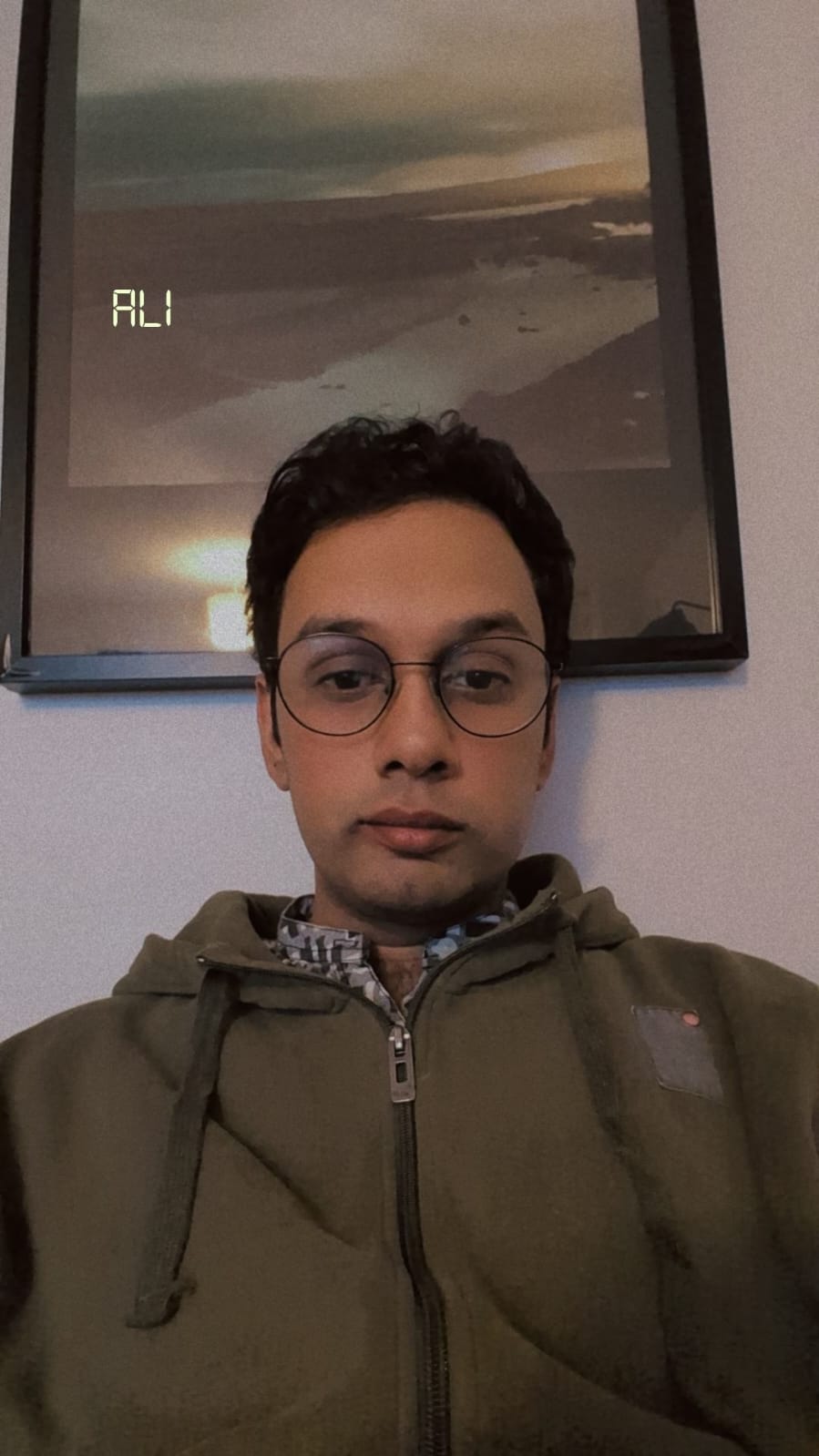
Founder & Editor
Ali Raza
Software engineer, dad of two dino-mad kids, writing from the UK.
What DinoLibrary is
Dino Library is a side project that grew out of a fascination with dinosaurs and a frustration that most online dinosaur content is either toy-shop SEO or a 4,000-word Wikipedia article. We wanted somewhere in between.
The audience is split. About half the readers are parents and primary-school teachers trying to settle a "what did Spinosaurus actually eat?" argument at the dinner table or pull together a classroom project. The other half are research-curious adults who want a clean entry point into the primary literature without wading through journal paywalls. We write for both, and we try not to talk down to either. Where a topic is genuinely unsettled in the literature — feather coverage on tyrannosaurs, the validity of Nanotyrannus, dromaeosaur pack behaviour — we say so on the page rather than picking the most exciting interpretation and running with it.
About the author
I'm Ali Raza, software engineer by trade and parent of two dinosaur-obsessed kids by accident. I live in the UK and have spent most of my career in data and backend systems. DinoLibrary started when my eldest brought home a school worksheet labelled "T-rex was the biggest meat-eater" and I went looking for a kid-friendly source that politely corrected that. The good sources existed; the kid-friendly ones did not.
On the data side, the taxon catalogue was seeded from the Paleobiology Database, cross-referenced against Wikipedia for naming conventions, and then checked against the primary literature wherever the claim mattered. Peer-reviewed citations are non-negotiable when the audience includes children. A toy description can be wrong and the worst that happens is a refund. A taxon page that calls Therizinosaurus a carnivore ends up in a year-3 homework book.
On the parent side, the gift guides and party-supply roundups come from real birthdays in our house. I will not link to a plastic T-rex I haven't handed to a six-year-old, and I will not recommend a fossil dig kit I haven't watched a child finish. The affiliate-aggregator scrape jobs that dominate this corner of the web are easy to spot once you have bought from them once. We try to be the opposite of that.
What you will find on the site: a Taxon Explorer with cited papers behind each species, a blog with hands-on guides written from lived experience, and a small curated shop arriving later in the year. Everything else on the homepage is signposting toward those three things. The Explorer lets you browse by clade, by geological period, or alphabetically — the same dinosaur shows up in all three views with a single canonical page underneath. Blog posts sit in two buckets: science explainers aimed at curious readers of any age, and parent-facing guides that pair a topic (fossil digs, dinosaur party themes, museum visits) with the kit and books we have actually used.
Editorial standards
- Scientific claims are cited inline to a peer-reviewed paper wherever the data exists. Where it doesn't, we say so.
- Every page with an Amazon link carries an affiliate disclosure. No surprises, no buried fine print.
- Toys, books, and craft kits are parent-tested before they appear in a guide. If we wouldn't buy it for our own kids, it doesn't get a link.
- Corrections are welcome and acknowledged. Email hello@dinolibrary.com and you'll hear back within 48 hours, usually faster.
Where the data comes from
- Taxonomy seeded from the Paleobiology Database and enriched with Wikipedia summaries for naming and historical context.
- Citation data and paper metadata pulled from OpenAlex and Crossref, so the references stay linked to canonical DOIs rather than link-rot-prone PDFs.
- Blog posts cite the primary literature directly. Where a claim relies on a press release or a museum interpretive panel rather than a published paper, we flag it.
Who works on it
Right now, the editorial team is me. I write the posts, vet the citations, photograph the toys, and answer the email. A handful of paleontology graduate students have offered to spot-check taxon pages in their specialism — when a page has been reviewed by an outside expert, their name and affiliation appear at the bottom of that page. If you have a postgraduate background in vertebrate paleontology and would like to review pages in your area, get in touch. We are not a journal and we cannot pay you, but you will be credited on every page you check.
How we make money
DinoLibrary is funded by Amazon affiliate commissions on links tagged cloudmaking-21. If you buy something through one of those links, Amazon pays us a small percentage. The price you pay is the same as if you'd typed the product into Amazon yourself. We don't currently run display ads, and we have no plans to fill the site with them. A small curated shop with Stripe checkout is coming later in the year. Email infrastructure is handled by Wolfaxen Ltd, which provides the verified sender domain for newsletters and order confirmations.
Get in touch
Two ways to reach us:
- Corrections, editorial pitches, factual queries: hello@dinolibrary.com
- Anything else — partnerships, press, general questions: use the contact page.
Connected projects
DinoLibrary is one of a handful of side projects run under cloudmaking.co.uk. Source code for the site lives on GitHub (the public repos at least). If you want to see how the sausage is made, that's where to look.